The Boat to Ilha Grande
A car-free island of Atlantic forest and hundred-beach coastline — the long day that starts with a dawn bus and ends salty.
The short version
- The honest math: buses and transfers run the coastal highway about two hours from Rio to Conceição de Jacareí, where fast launches cross to Vila do Abraão in 20–30 minutes — three hours door to sand done well, which makes the day real and the dawn start non-negotiable; regional info at angra.rj.gov.br.
- Ilha Grande has no cars and never did the development arc — a leper colony, then a notorious prison until 1994, kept the island closed while the coast built, and the Atlantic forest cover is the inheritance.
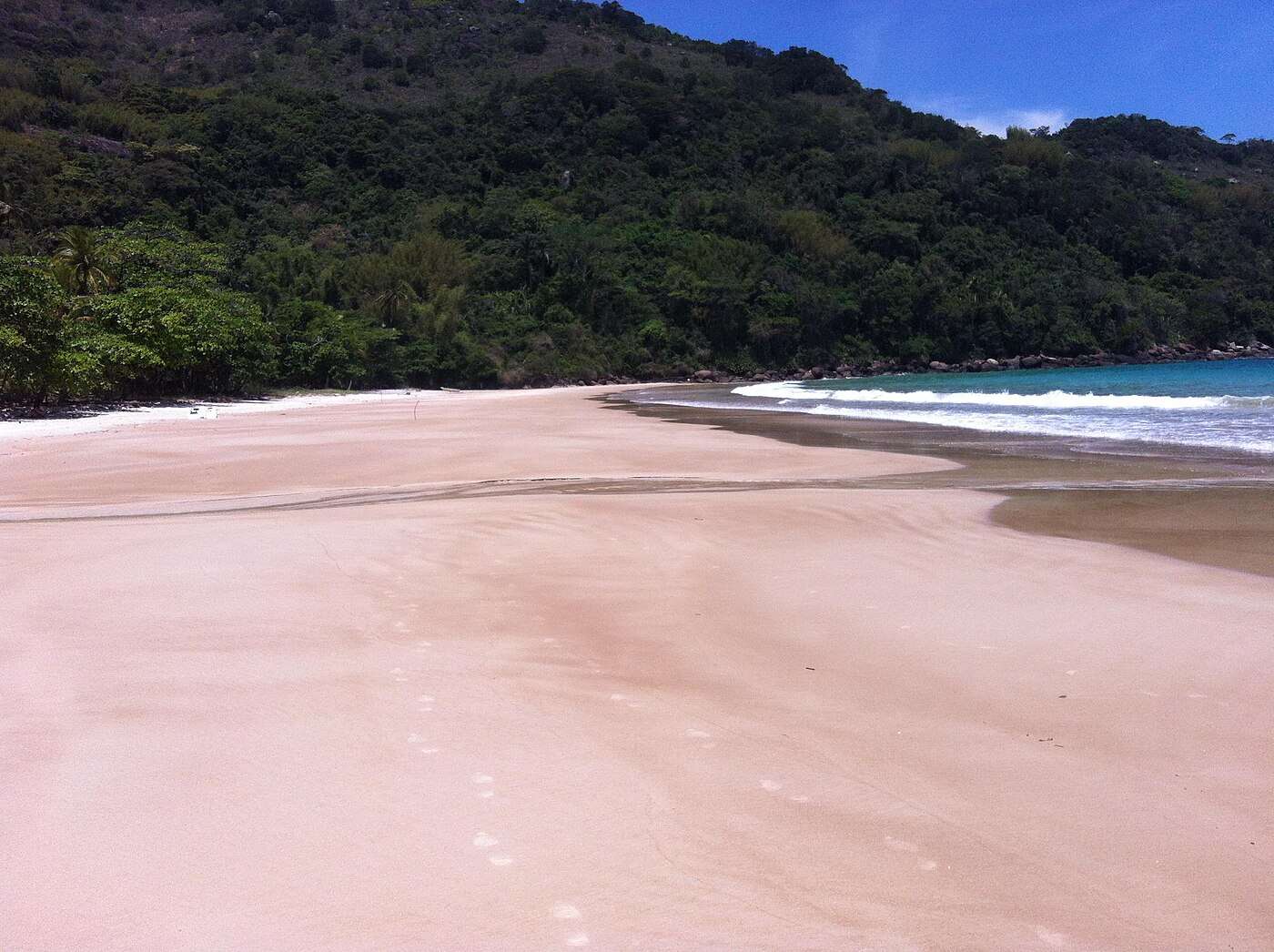
- Lopes Mendes is the island’s famous answer: a long arc of squeaking white sand and body-surf waves, reached by water taxi from Abraão to Pouso plus a 20-minute forest trail — no buildings, no vendors beyond the trailhead, bring what you need.
- Vila do Abraão itself is sand streets, pousadas, and boat agents — the island’s entire urban idea — with the aqueduct ruin and Preta beach walkable when the boat schedule leaves an hour spare.
- The green peaks behind the beaches top out at Pico do Papagaio’s parrot-beak silhouette — a pre-dawn guided climb for overnighters, and the skyline’s signature from every deck on the crossing.

Getting there
Transfer vans and buses leave Rio early for Conceição de Jacareí — about two hours down the Costa Verde highway — where scheduled launches and flex boats cross to Vila do Abraão in 20–30 minutes; through-tickets bundle both legs. Angra dos Reis offers an alternative, longer ferry route. On the island, feet and water taxis do all transport: Pouso for Lopes Mendes, schedules posted at the pier, cash preferred.
The day
Land at Abraão, take the first water taxi to Pouso, and walk the forest trail over the saddle — twenty shaded minutes with the sound arriving before the view — to Lopes Mendes at its emptiest hour. Swim, bodysurf the famous shore break, walk the full arc barefoot, and let the day organize itself around nothing. Mid-afternoon, retrace to Pouso for the boat back, with the spare hour spent on Abraão’s sand streets — açaí, the aqueduct ruin, boat-watching from the pier — before the launch to the mainland and the highway home. The overnighters watching you leave are not smug exactly, but they are staying.
When to go
April through October — the drier season — gives the clearest water and the most reliable boat schedule; Rio’s summer (December–March) adds heat, afternoon storms, and holiday crowds that book the island solid. Weekdays halve every queue. The sea state rules everything: rough days cancel launches, and flexible plans beat precise ones here.
Frequently Asked Questions
How do you get from Rio to Ilha Grande?
Early transfer or bus about two hours to Conceição de Jacareí, then a 20–30 minute launch to Vila do Abraão — through-tickets bundle both. Angra dos Reis is the slower alternative port.
Can you really do it in a day?
Yes, with a dawn start: three hours each way brackets four to five island hours — enough for Lopes Mendes done properly. It is a long, worthwhile haul; the overnight adds the island after the day boats leave, which is its best self.
How do you reach Lopes Mendes?
Water taxi from Abraão to Pouso, then a 20-minute forest trail over the hill — no road exists, which is why the beach looks the way it does. Bring water, snacks, and footwear for the trail.
Why is the island so undeveloped?
A quarantine station and then a maximum-security prison closed it to development until 1994 — by the time the prison fell, the Atlantic forest was protected. No cars, no high-rises, one village.
Is the sea dangerous?
Lopes Mendes runs a genuine shore break — fun for bodysurfing, unsentimental about turned backs — and boats stay ashore on rough days. Swim where others swim and respect the posted days when crossings cancel.